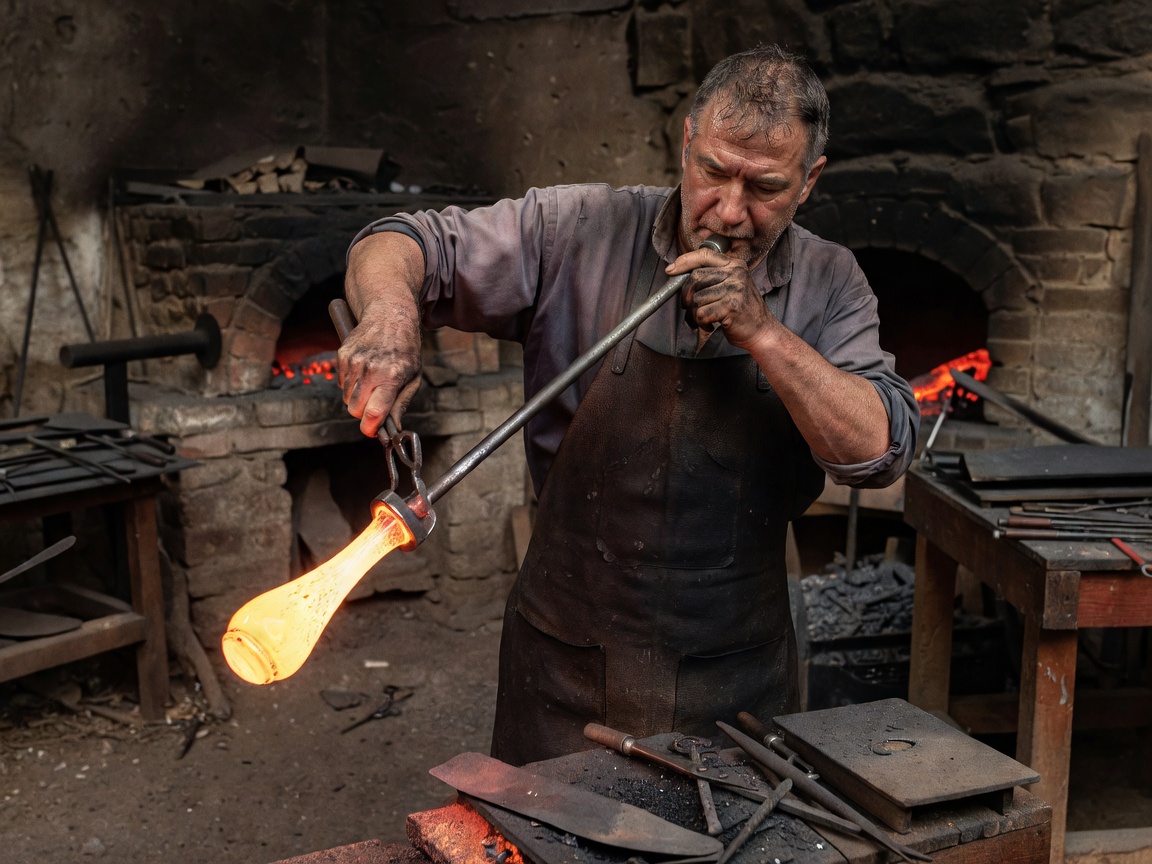
01 / PROCESS GUIDE
Glassmaking Techniques
FORMING / HOT AND COLD PROCESSES
Compare blowing, casting, kiln forming, lampworking, stained glass and coldworking. Learn how process affects tooling, shape and finish.
Open technique guideEUROPEAN GLASS ATLAS FIELD GUIDE 01
A practical guide to European glassmaking, studio techniques, historic traditions and contemporary practice.
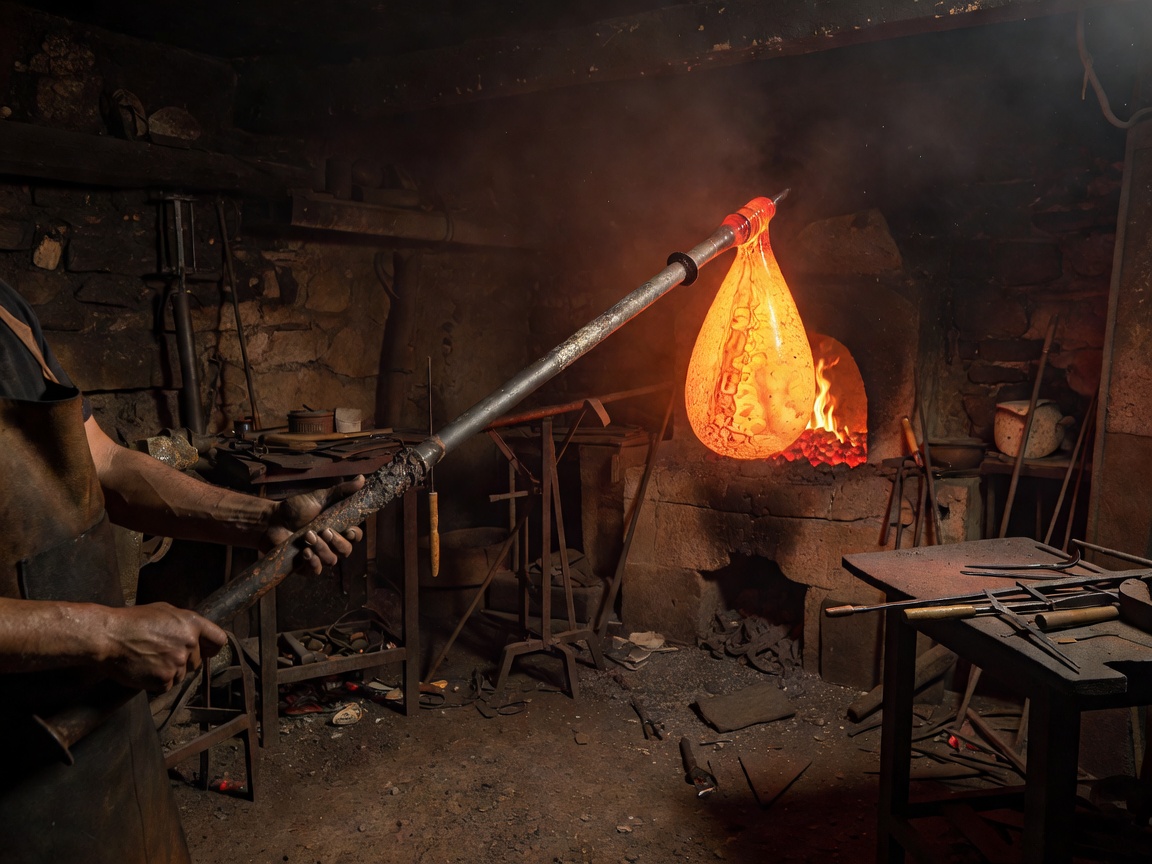
THE REFERENCE INDEX / 01—05
Five connected guides. Each answers a different practical question.
01 / PROCESS GUIDE
FORMING / HOT AND COLD PROCESSES
Compare blowing, casting, kiln forming, lampworking, stained glass and coldworking. Learn how process affects tooling, shape and finish.
Open technique guide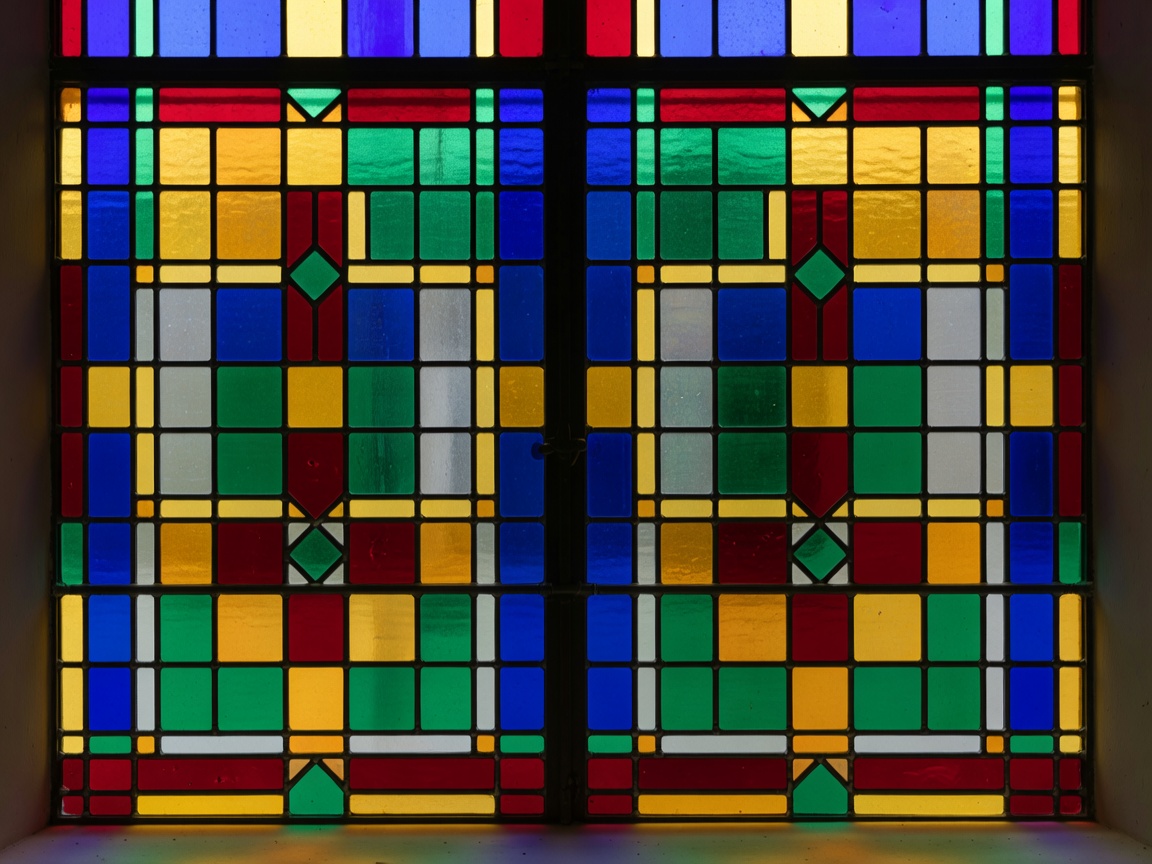
02 / PLACE & EXCHANGE
GEOGRAPHY / MATERIAL / MOVEMENT
Trace how raw materials, trade, migration and patronage shaped regional glass traditions—without treating modern borders as historical boundaries.
Explore regional context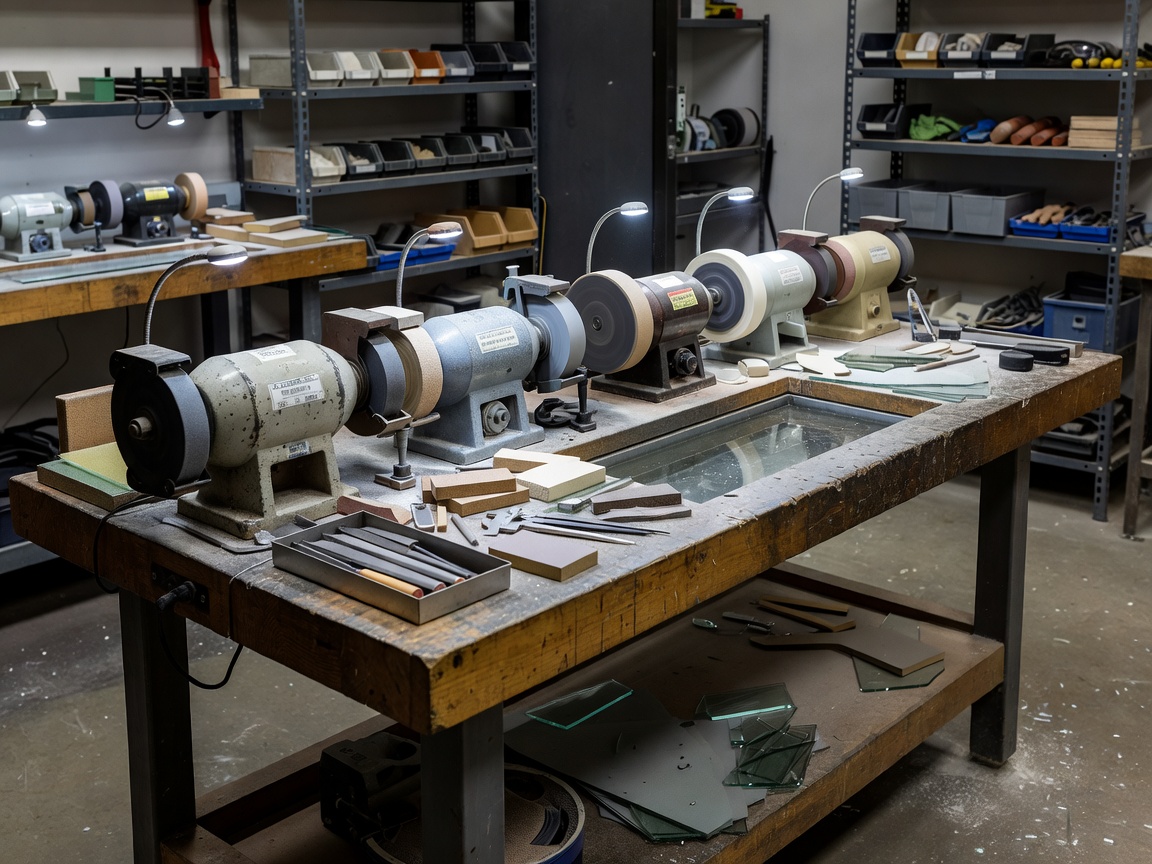
03 / WORKSPACE GUIDE
FACILITIES / LEARNING / SAFETY
Understand hot shops, coldworking areas and kiln rooms. Use practical criteria to assess a class or studio before committing.
Assess a workshop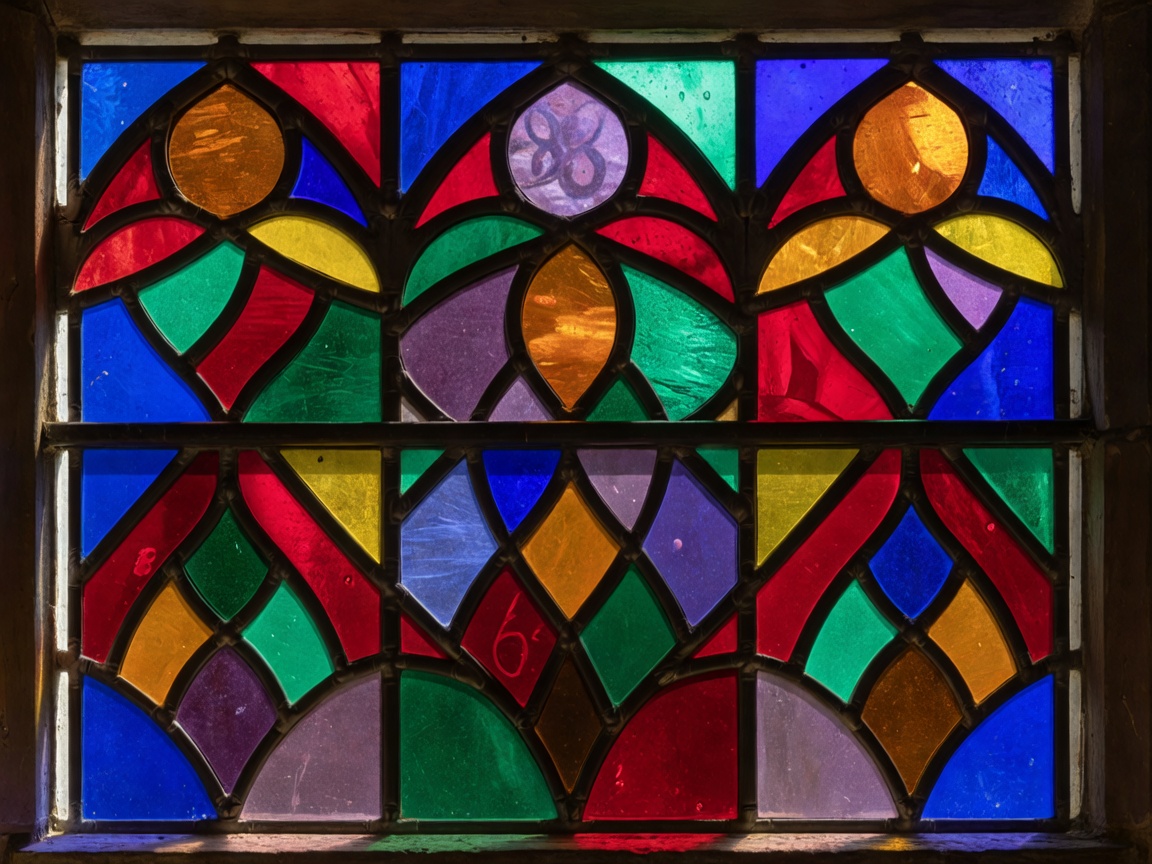
04 / MATERIAL HISTORY
ARCHITECTURE / VESSELS / DECORATION
Follow the development of stained, engraved, mosaic and decorative glass through surviving objects, workshop evidence and cautious reconstruction.
Read the traditions guide
05 / CURRENT PRACTICE
STUDIO / ARCHITECTURE / EXPERIMENT
Distinguish functional objects, sculpture, installations and architectural work. Consider how digital design and mixed media enter the process.
Enter contemporary practicePROCESS INDEX / 06 STAGES
Not every object follows every stage. Process and purpose set the route.
Prepare glass under controlled thermal conditions.
Use a forming process suited to the intended object.
Manage cooling to reduce thermal stress within the material.
Apply coldworking where edges, profiles or surfaces require it.
Refine edges, surfaces and visual details for their purpose.
Set the finished object in relation to its scale and use.
Hot processes require qualified instruction, suitable protective equipment and established workshop procedures.
A PRACTICAL REFERENCE